
Wesley Market
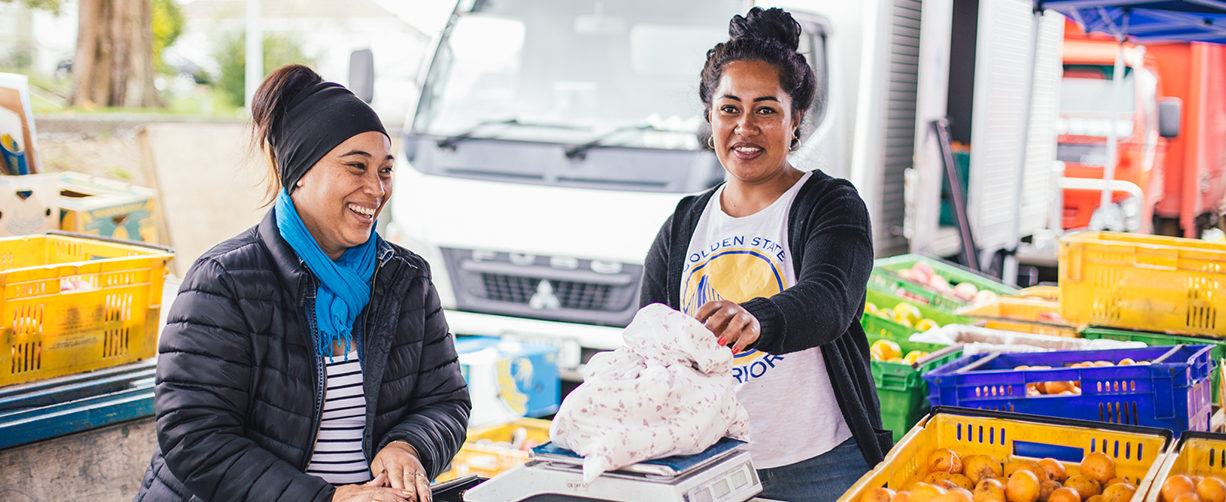
- Event Type: Community
- Description: A weekly community market selling fresh produce, second-hand clothing, and bric-a-brac
- Size: Well-established market running since 1994
- Location: Wesley Community Centre, Mt Roskill, Auckland
- Waste Separation: Compostables, Recycling, Landfill, and Food Waste
How we did:
1 Reduce incoming waste
While there were already some good things happening at the market to reduce waste, for example, a local pig farmer took food scraps and some cardboard was recycled, the equivalent of four large wheelie bins was still being sent to landfill every week. EcoMatters started working with the market organisers to find more ways to reduce waste.
Plastic bags were a big issue, ending up in the nearby stream. To prepare for the ban on plastic shopping bags that came into effect in July 2019, the EcoMatters team focused on solutions for both stall holders and shoppers.
These included introducing a bag library, encouraging shoppers to bring their own reusable bags, and speaking with each stallholder around the importance of the ban and how they could encourage customers to use alternatives.
2 Choose the right bin
Waste was separated at time of disposal by setting up different collection points for food waste, recyclable, compostables, and landfill. A waste coordinator was on-site and able to check the bins throughout the day, and direct people as necessary. This meant more waste was recycled, with less sent to landfill. Some of the food waste still went to a local farmer for stock, and the rest was composted at EcoMatters or fed to local chickens.
3 Let people know
In 2018, EcoMatters set up a ‘talk tent’ where shoppers could learn more about reducing waste. Along with guest speakers presenting with us, there was always something new and different to learn about.
Shoppers were encouraged to bring their own reusable bags, and a bag library was set up for people to borrow reusable bags from. Every stallholder was educated about the importance of supporting the ban and how they could help encourage customers to use alternatives.
4 Capture feedback
EcoMatters worked closely with the Puketāpapa Local Board, to help shift the culture of the market to become zero waste focused.
In just three years, EcoMatters helped stallholders divert 1,500 tonnes of food waste from landfill (that’s equal to about 12 blue whales) and 170kg of recyclable items (that’s the weight of two kangaroos).
Having a waste coordinator at every market meant if people were confused about which bin to put waste into, there was someone there to offer guidance.
Key Messages:
- Make waste disposal as easy as possible for people by providing easily identifiable collection points for each type of waste.
- Educating stallholders about using alternatives to plastic bags helped in turn to reach market customers.
- By offering better solutions to plastic bags for both stallholders and shoppers, people were more likely to use reusable bags or a good alternative.
Key Learnings:
- People are willing to dispose of waste in the right way if it is made easier for them
- Having someone at the talk tent meant there was always someone to help, answer questions, and educate.
- In three years 1,500 tonnes of food waste and 170kg of recyclable items didn’t go into landfill!
Recent Zero Waste Events
Case Studies
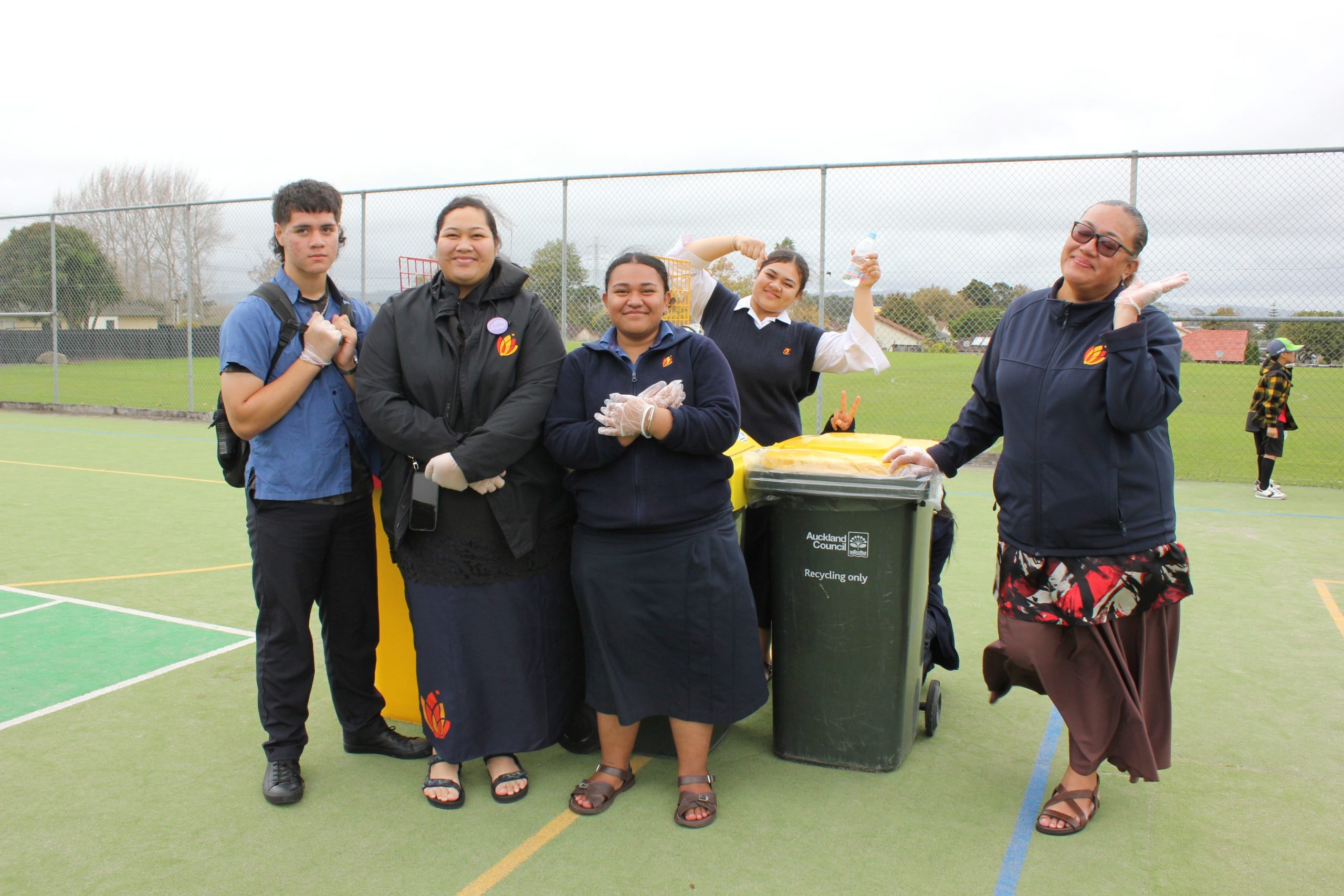
Afriston College Te Mauri
How we did: 1 Reduce incoming waste Reusable plates were used to avoid single-use plates. A team of student volunteers were briefed on the event’s waste diversion process to ensure communication with visitors was clear. 2 Choose the right bin The kapa haka festival’s expected waste was mainly hāngī related; food, packaging, water bottles, and… View Article
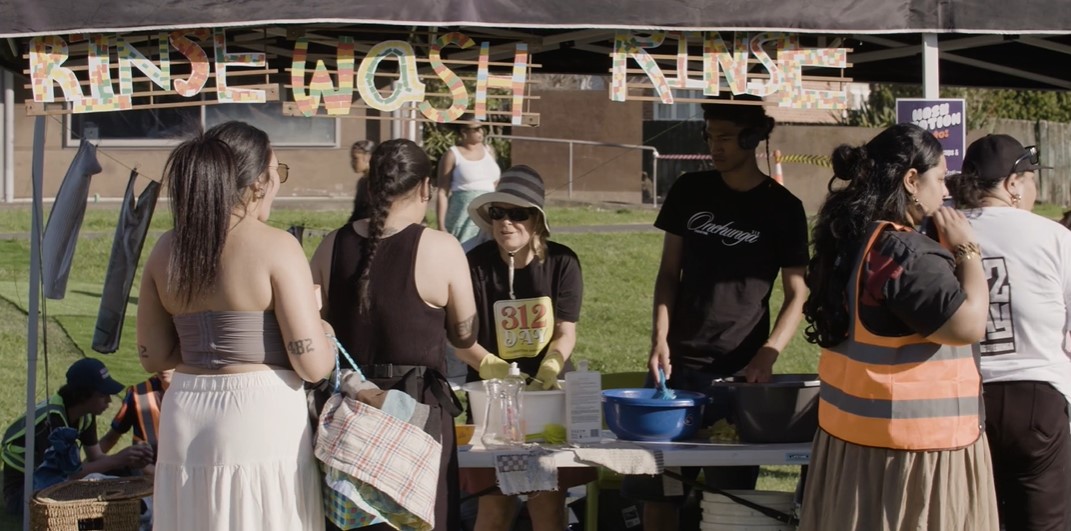
Onehunga 312 Day
Watch the following video showcasing the amazing zero waste effort of the organisers at 312 Day. The video case study, 312 Day, was created by Davian Lorson of Taking Shape.
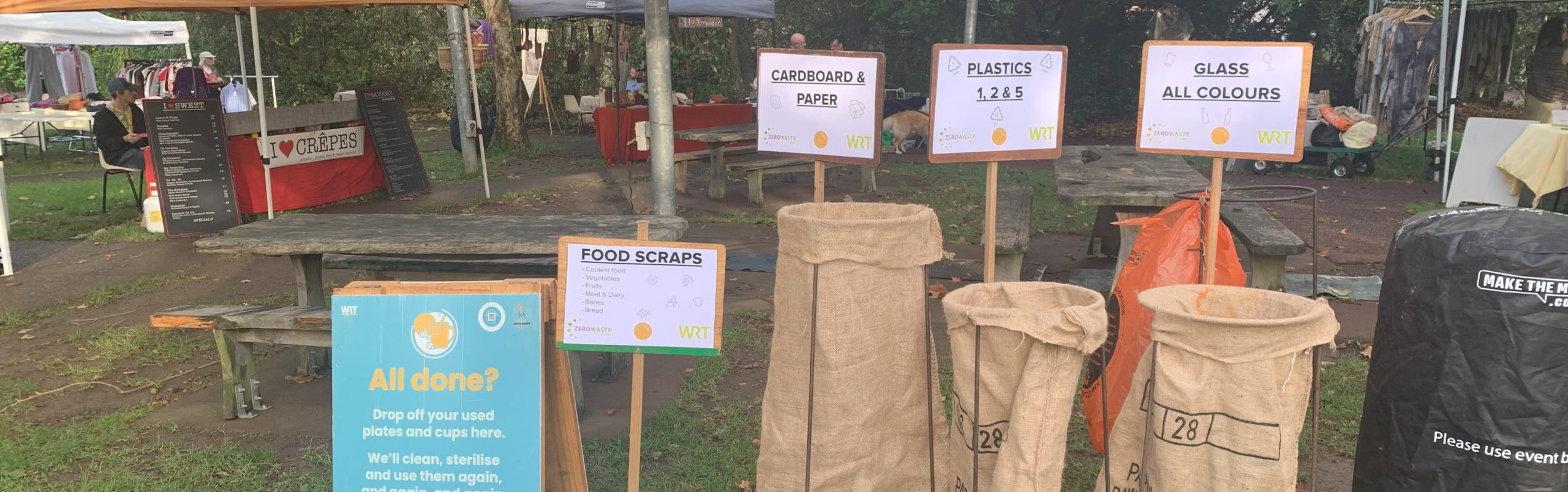
Waiheke Ostend Market 50th Anniversary
A weekly morning market, celebrating their 50th anniversary
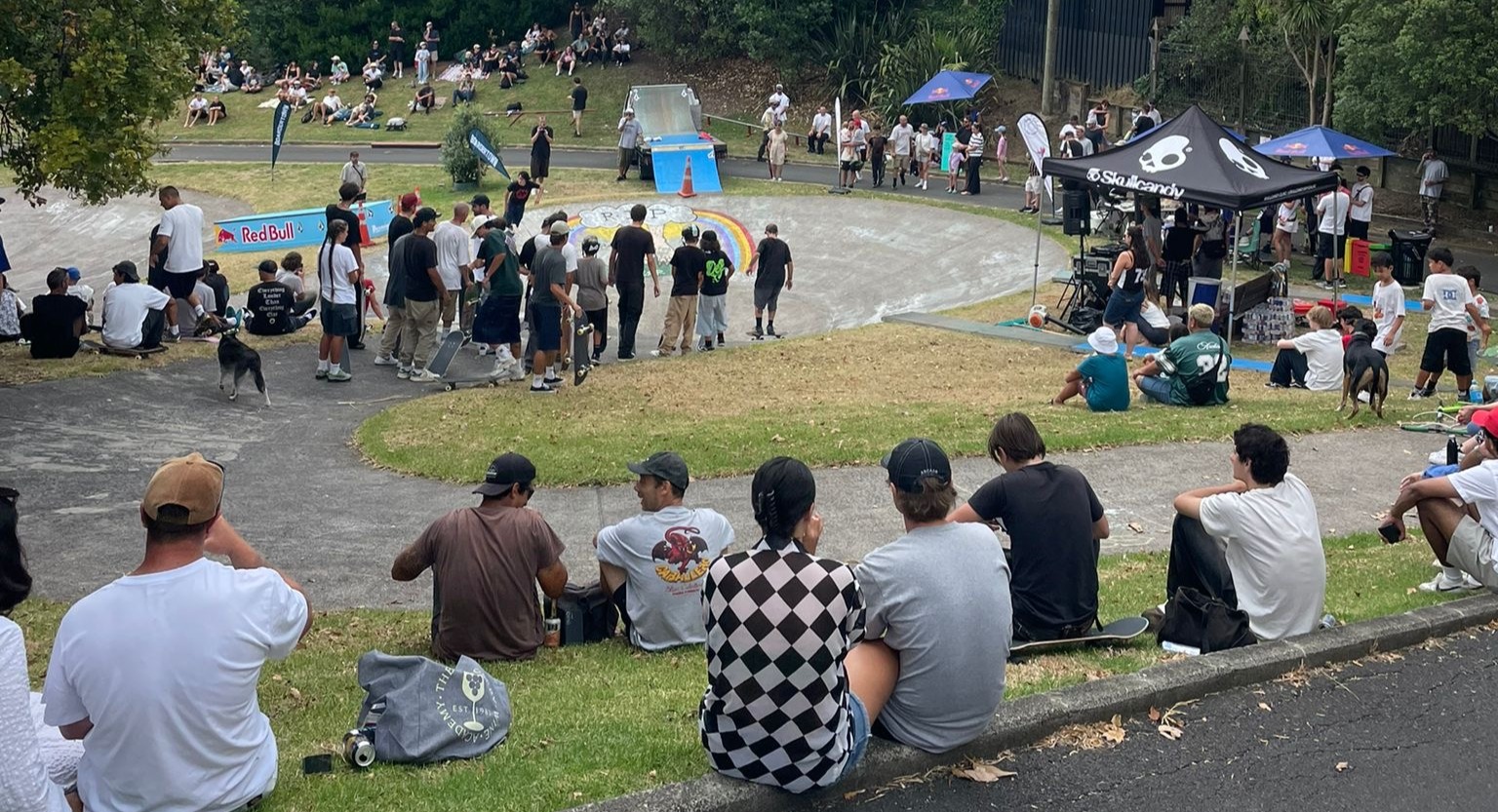
Tole Super Bowl Skate Competition
An annual competition that brings the skateboarding community together at one of New Zealand’s most iconic bowls.
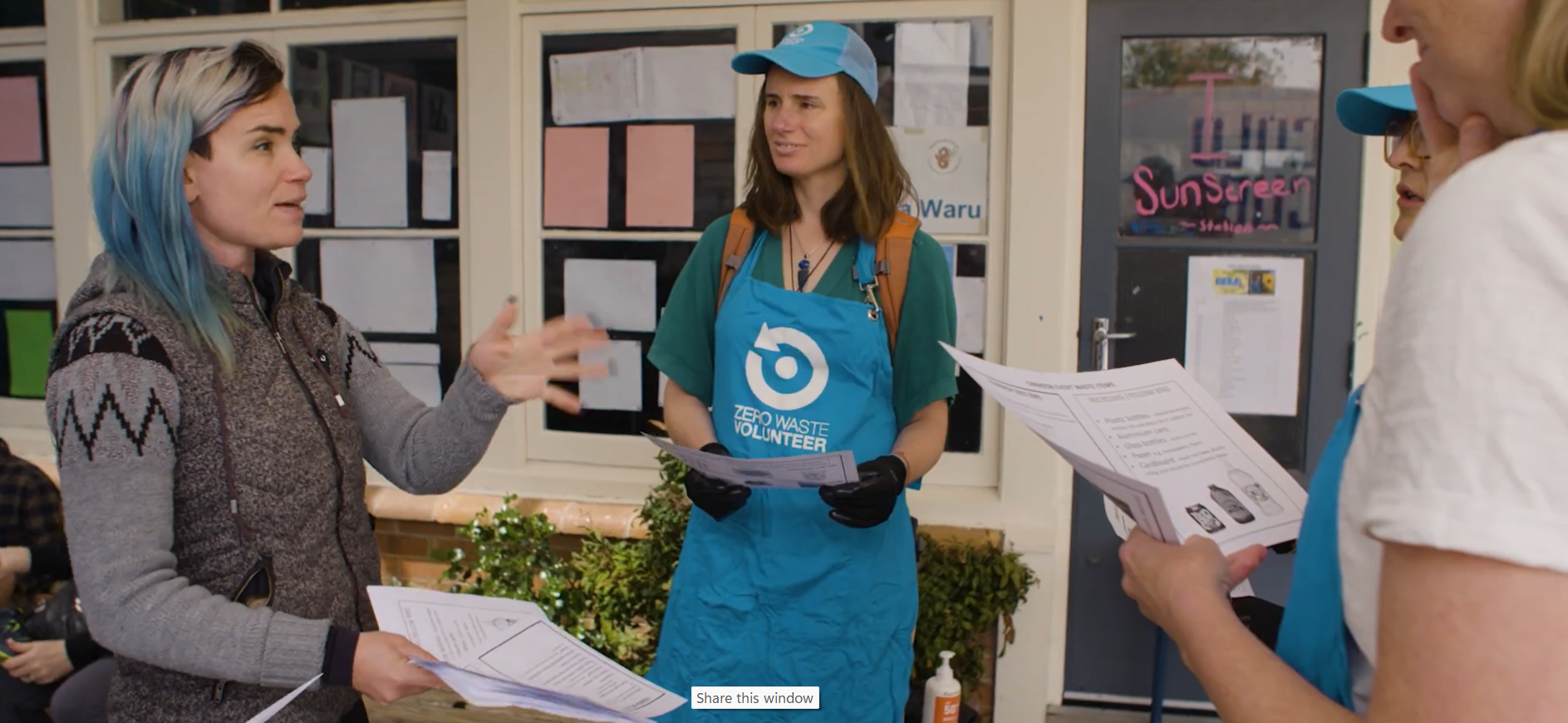
Kaurilands School Gala
The Kaurilands School community worked hard to keep 93% of waste out of landfill at their school gala.
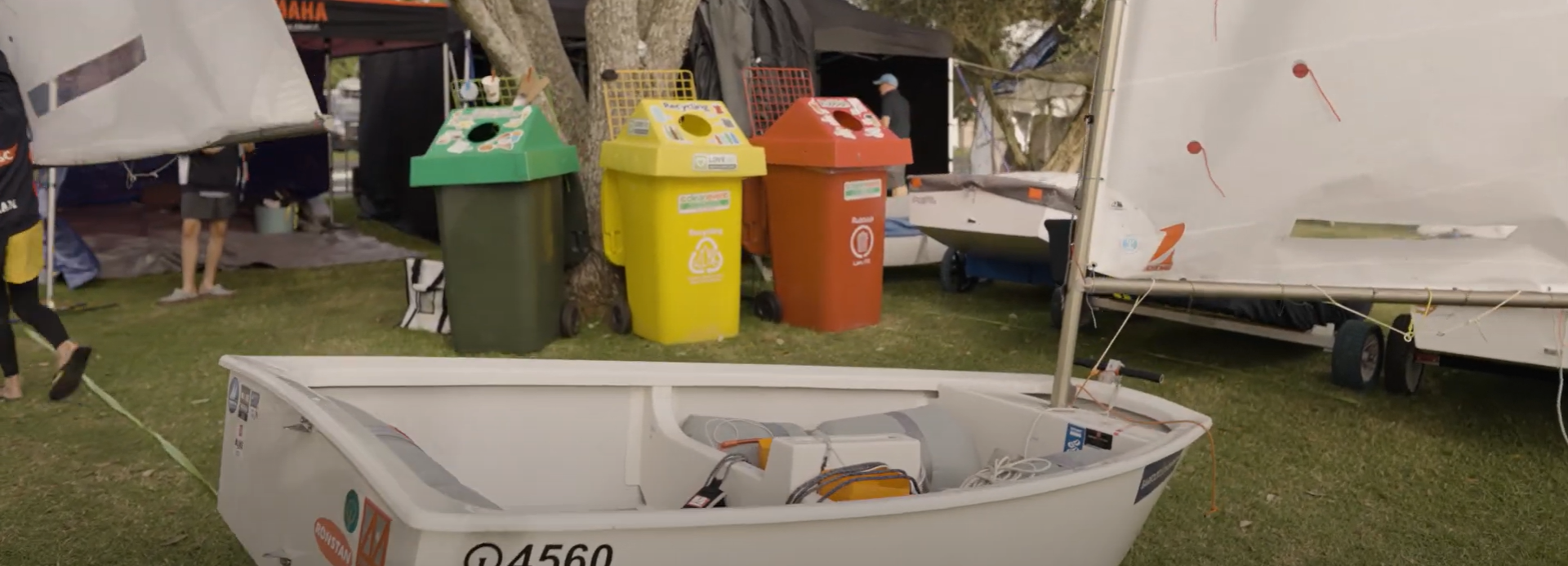
Wakatere Boating Club Regatta
Wakatere Boating Club is ensuring their events are as zero waste as possible.
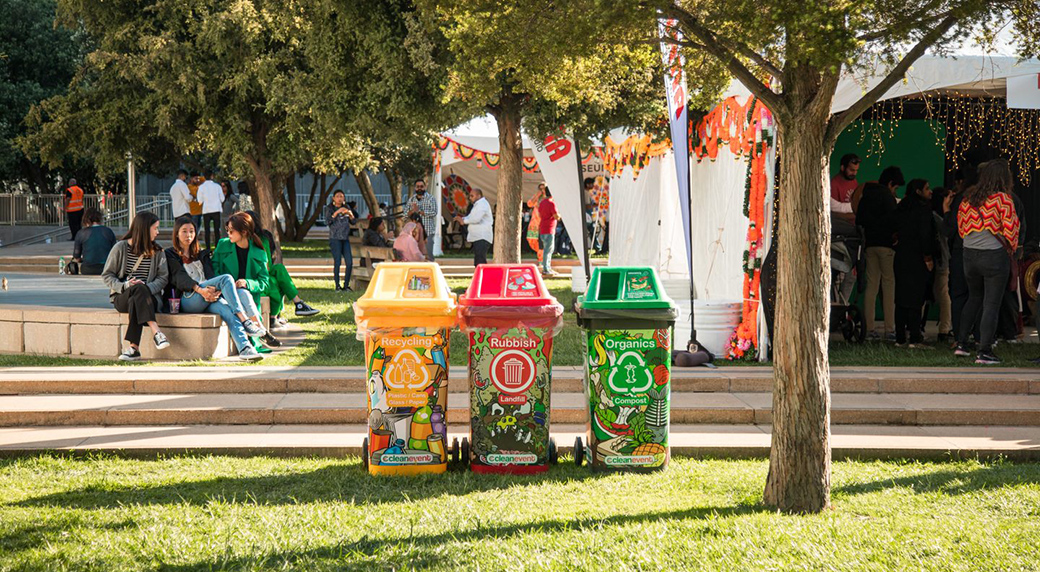
Auckland Diwali Festival
Diwali Festival is an annual, free major cultural festival with stalls and live entertainment
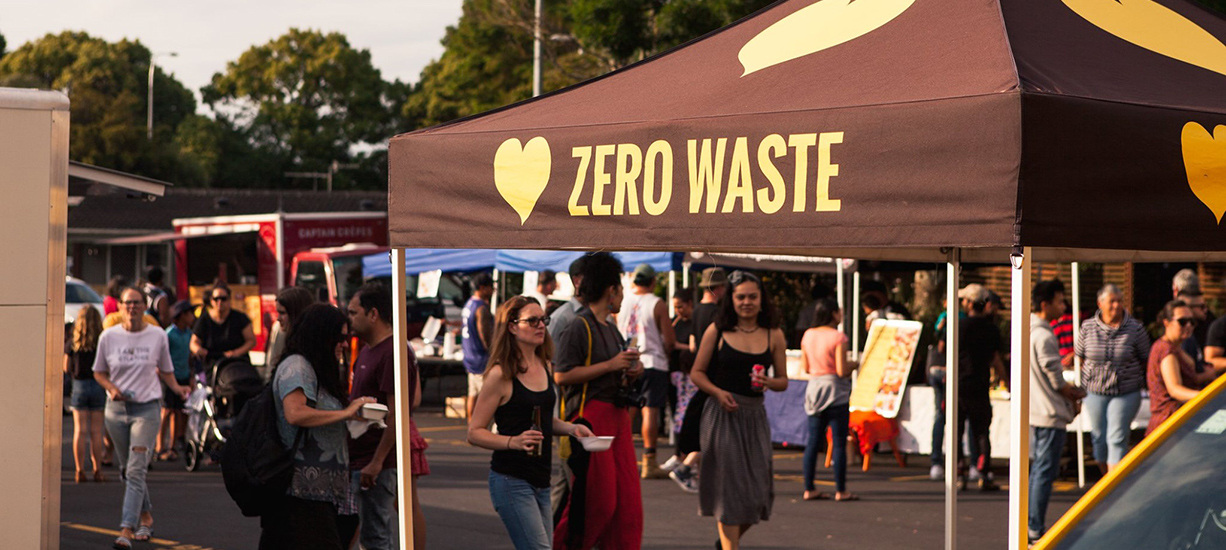
Wesley Market
A weekly community market selling fresh produce, second-hand clothing, and bric-a-brac
Avondale Christmas Market
Community Christmas food and stall Market at Avondale Community Centre, Avondale, Auckland
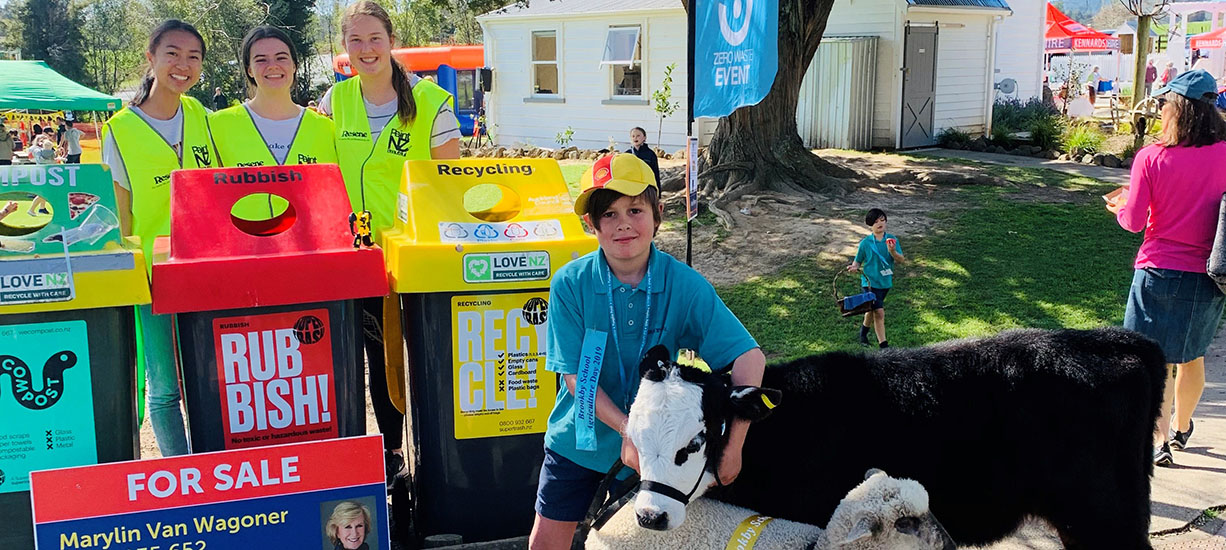
Brookby School Ag Day
Annual agricultural day for the school community with animal judging, food, stalls and entertainment. Led by the Brookby School environmental councillors.